The Dutch Shepherd was not designed in a kennel. It was a working dog on Dutch farms long before anyone wrote down a standard for it, and it kept working after the job it was built for mostly disappeared. Here is where the breed comes from, drawn from the American Kennel Club and the breed's official FCI standard, and why that history still shows up in the dog lying on your floor.
A farm dog before it was a breed
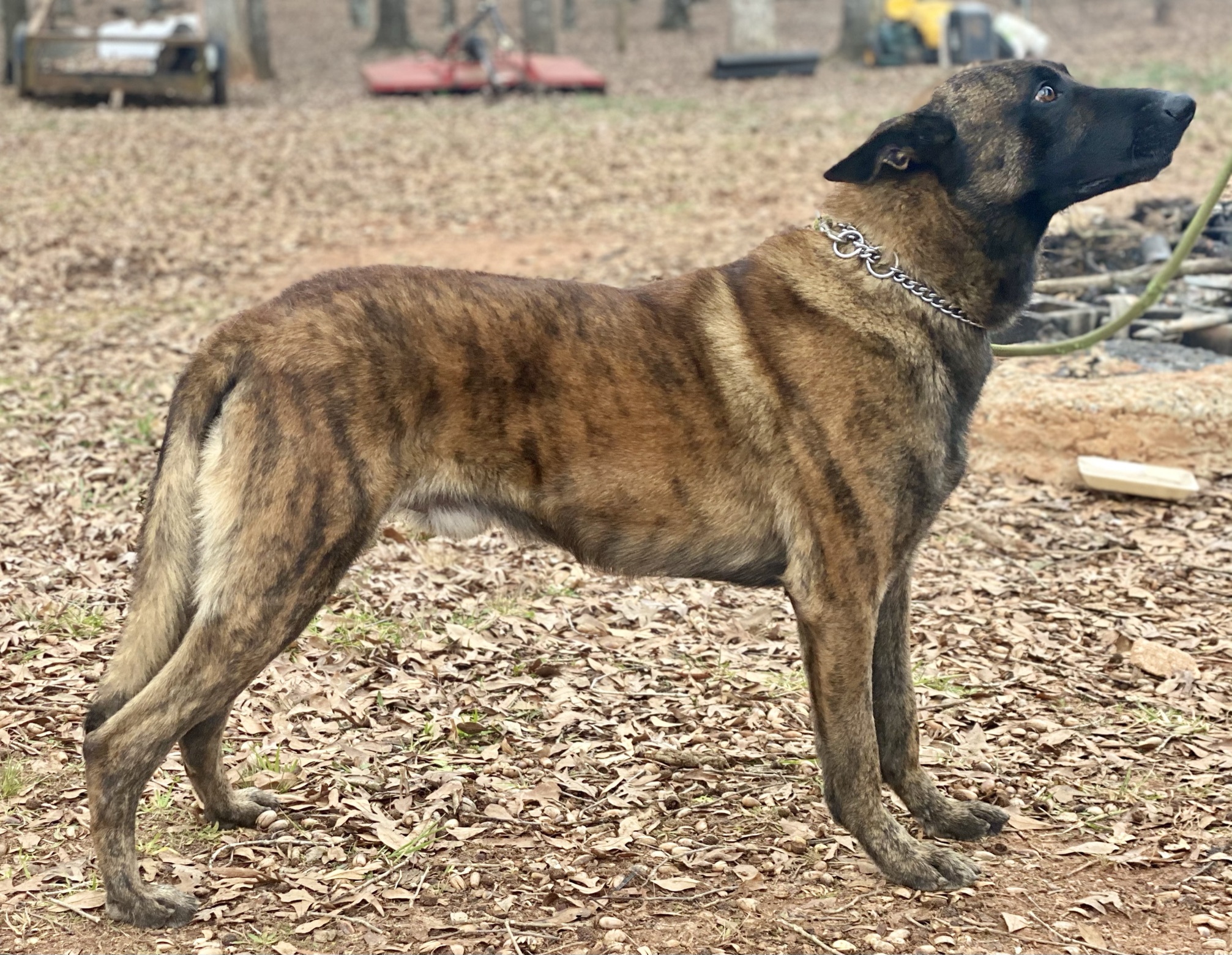
The AKC calls the Dutch Shepherd "a natural land-breed originating in The Netherlands," discovered as a naturally occurring shepherd's dog living in rural areas. Shepherds and farmers needed a versatile dog, a "Jack-of-all-trades," suited to what the AKC calls "the harsh and sparse existence of the time." It was developed as an all-purpose farm dog and worked as a farm guard, a drover and a livestock dog.
A day's work on a Dutch farm
The breed's FCI standard explains the main job. From early times, Dutch crop farming was maintained in part by flocks of sheep, and the dogs had to keep those flocks out of the crops. They did it by patrolling the edges of the roads and the fields. They also went with the flocks to the common meadows, the markets and the ports. The AKC adds that the dog was often charged with taking the sheep out to pasture every morning and bringing them back to the barn each evening, on its own.
That was only the start of the list. According to the AKC, the same dog kept the hens out of the kitchen garden, herded the cows together for milking, and pulled carts loaded with milk or produce to market. It watched the children, and it alerted the farmer when strangers came into the farmyard.
1898 and 1914: writing it down
Both the AKC and the FCI date the breed's first standard to June 12, 1898. That first standard allowed any coat color. By 1914, the AKC says, the breed was limited to brindle, to set it apart from two similar breeds of the day, the German Shepherd and the Belgian Shepherd. The stripes are covered in our coat guide.
Around 1900, most of the flocks disappeared
Just as the breed was being written down, its main job was going away. The AKC says that around 1900, sheep flocks in the Netherlands, and the shepherd dogs that tended them, had mostly been replaced by industrialization and the reclamation of land for other uses. The FCI standard puts it plainly: by then the flocks had "for the greater part disappeared."
A second career
The breed survived because it could do more than one thing. The FCI standard says its versatile skills made it suitable for dog training, "which was then starting to become popular." It started a new career as a police dog, a search and tracking dog, and a guide dog for the blind. The AKC tells the same story and lists search and rescue among the new jobs.
The Dutch police-dog program, KNPV, also shaped the working lines our own dogs come from. We explain that program, and why its titles matter to buyers, in What Is KNPV?
The old job never fully left, either. Both sources say the breed can still herd, and the AKC notes it is still used for that purpose.
The Dutch Shepherd today
The FCI places the breed in Group 1, Sheepdogs and Cattle Dogs, with a working trial. In the United States, the Dutch Shepherd is not yet fully AKC recognized. It has been recorded in the Foundation Stock Service since April 2012, has been approved for the Miscellaneous Class since January 1, 2017, and carries the Herding Group designation. In September 2026 the AKC Board approved its standard and Herding Group eligibility, and the breed moves from the Foundation Stock Service into the AKC Stud Book on June 30, 2027 (what that changes). The American Dutch Shepherd Association has been its AKC parent club since January 2016. The AKC lists its jobs today as obedience, dog sports, herding, tracking, search and rescue, and police work.
What the history means for your house
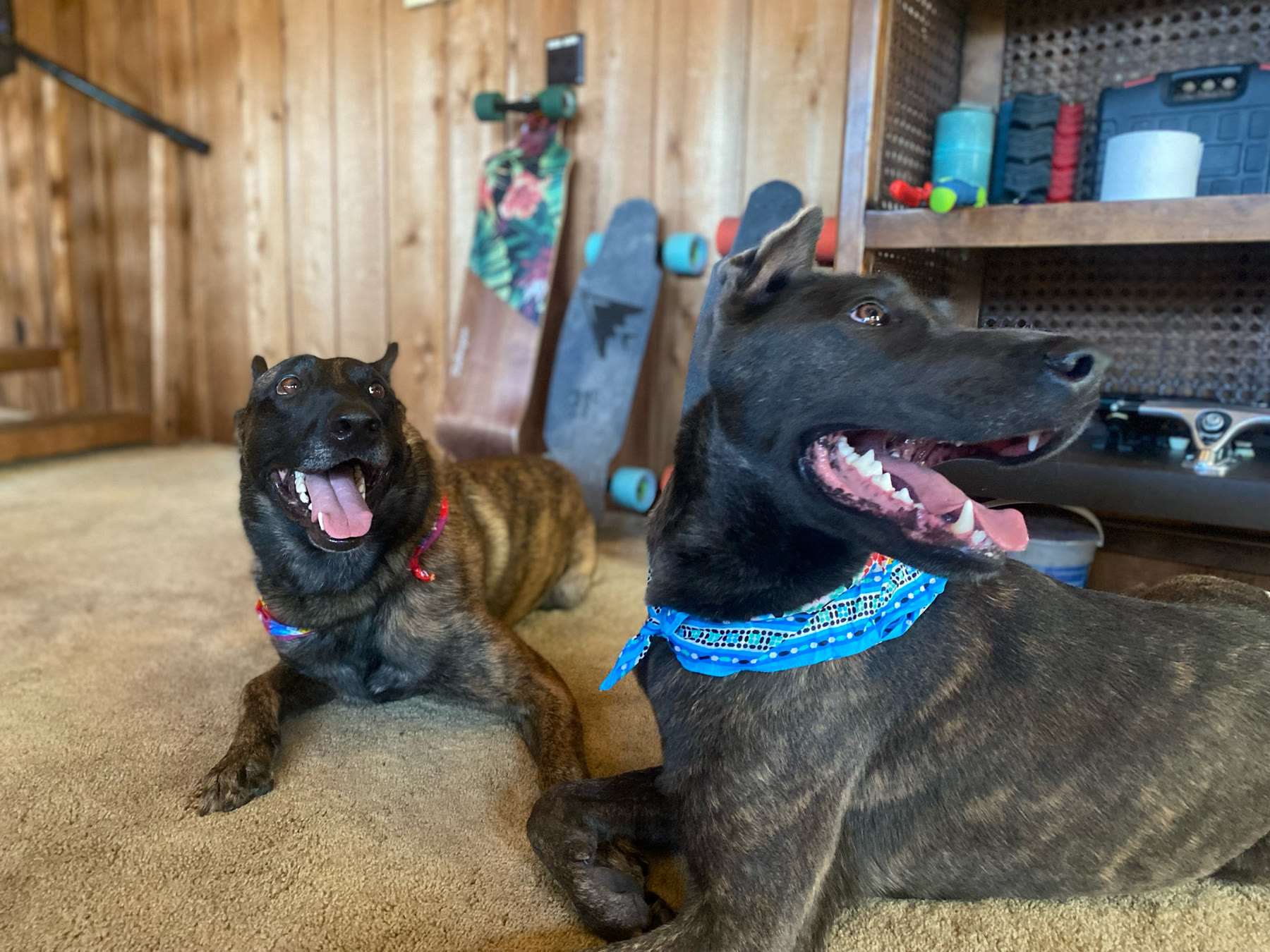
The farm jobs are gone, but the dog they shaped is still here. Here is how that résumé tends to show up in a family home.
- It was built to go all day. The AKC says the breed "is able to run all day, and that is reflected in its physique and structure." Plan real exercise and real training every day, not a lap around the block.
- It was the farm's alarm system. A dog whose job was to flag strangers at the gate will notice who comes up your driveway. Early, steady socialization teaches it who belongs.
- It was trusted to work alone. A dog that took the sheep out on its own had to make decisions. The FCI standard calls the breed independent, and says it "deals independently with any task which is assigned to him." Give it tasks, or it will choose its own.
- It still wants to work with you. The same standard calls it "very loyal and reliable" and says it "works willingly together with its owner." That is the partner you are signing up for.
- The herding instinct is still there. The AKC says the breed has kept it. If you want to see it, the AKC's herding program admits Dutch Shepherds to instinct tests from 6 months of age. Our guide to dog sports covers the other options.
Wondering whether that fits your life? Work through our ten honest questions, then see how the breed compares with the Malinois and the German Shepherd.
Sources
- American Kennel Club: Board of Directors meeting minutes, September 15-16, 2026 (PDF; Dutch Shepherd standard and Herding Group eligibility approved, Stud Book entry June 30, 2027)
- American Kennel Club: Dutch Shepherd breed page (history, farm duties, 1898 and 1914 standards, around-1900 decline, new careers, AKC status, parent club, current uses)
- FCI Standard No. 223: Dutch Shepherd Dog (brief historical summary, FCI group, behaviour and temperament)
- American Kennel Club: Herding eligibility (Dutch Shepherd on the FSS eligible list, instinct tests from 6 months)