Here's an uncomfortable truth for a breeder to publish: the thing that first brings many people to this breed — you almost never see one — is the single worst reason to own one. Dutch Shepherds are genuinely uncommon. That fact attracts exactly the wrong buyer for exactly the wrong reasons, and it's why our waitlist is application-only. This piece is about what rarity actually means, and what should replace it on your list of reasons.
Why the breed is rare in the first place
Dutch Shepherds aren't rare because they're exotic, fragile, or hard to breed. They're rare because for over a century almost nobody bred them for the pet market. The breed nearly disappeared after World War II, and the population that survived was rebuilt largely by Dutch working-dog people who selected for one thing: dogs that could pass the KNPV program. Farmers and police handlers didn't care about coat fashion or show ring trends — they kept the dogs that worked. Scarcity here is a side effect of a century of unsentimental quality control, not a marketing strategy.
What "rare" attracts
Every uncommon breed collects a certain buyer: someone who wants the dog nobody else at the park has. The trouble is that "nobody else has one" satisfies for about two weeks — roughly until the first 5 a.m. wake-up, the first shredded couch cushion, or the first time an under-exercised adolescent rehearses her frustration on your drywall. The rarity buyer got the dog for how it looks on a leash. The dog, bred for a hundred years to work, has other plans. That mismatch — not bad dogs, not bad people, just wrong reasons — is how working dogs end up in rescue.
The status test
A simple self-check: if Dutch Shepherds were as common as Labs, would you still want one? If the honest answer is no, the breed was never the point — the scarcity was. There's no shame in that; it just means you're shopping for the wrong thing, and a breeder who takes your deposit anyway is doing you no favors. If the answer is yes — because you want the drive, the trainability, the athlete, the shadow that follows you from room to room — now we're talking.
Rarity has real costs, too
Wanting a rare breed also means accepting what rarity does to logistics. Fewer breeders means longer waits and real homework separating working programs from fashion operations. Fewer dogs means your local trainer may never have titled one, and your vet may see a handful a year. And a small gene pool means health screening of breeding stock matters more, not less — it's why health testing is the standard our program is built around, and why we'd rather answer hard questions about it than wave the word "rare" at you.
The right reasons, in plain terms
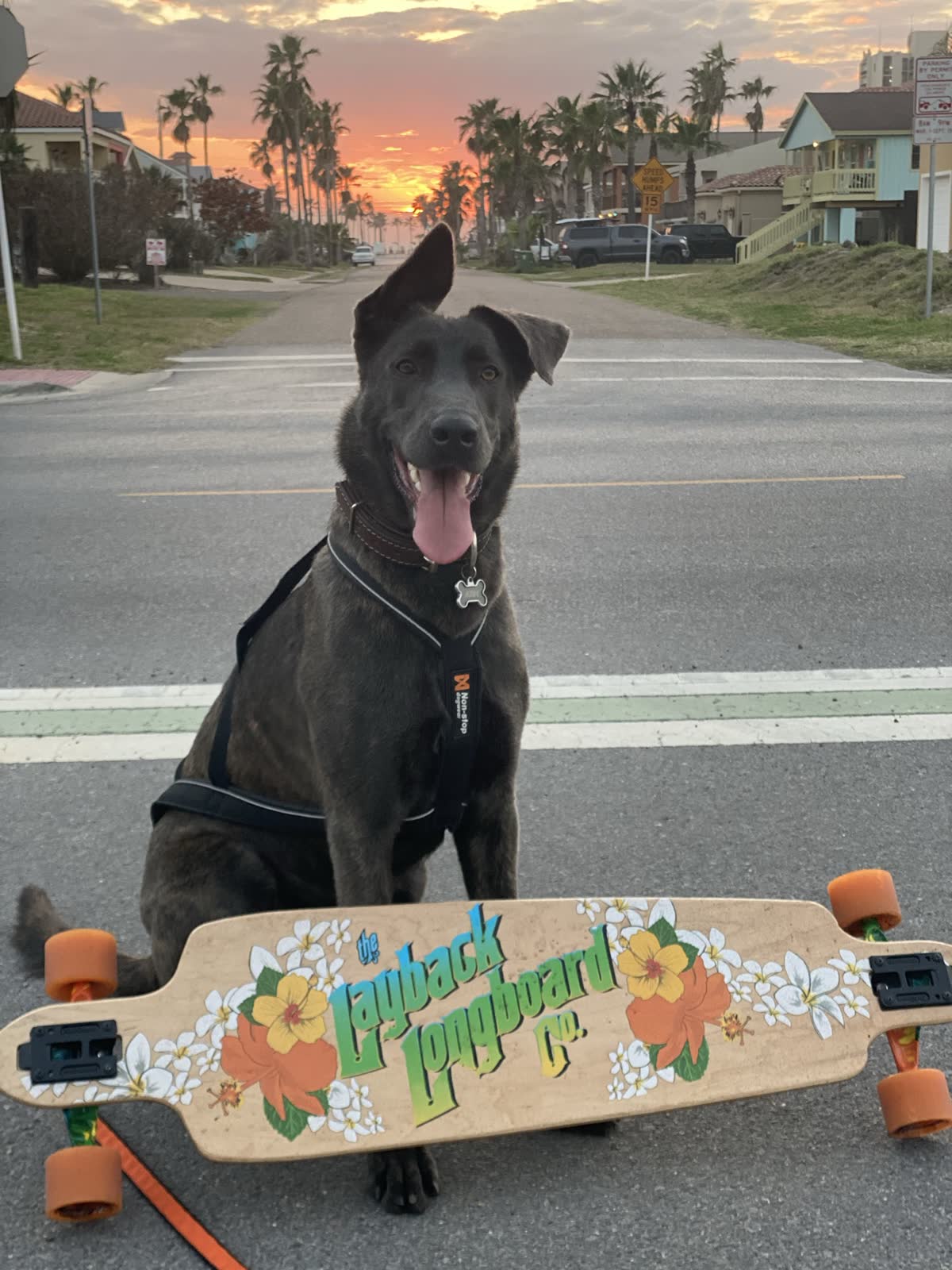
People who thrive with this breed almost never mention rarity. They wanted a dog to do something with — sport, scent work, hiking partner with an off-switch earned through training, a project measured in years. They had the daily hours and wanted to spend them this way. The brindle coat and the double-take at the trailhead? A bonus, nothing more. If that's you, read our ten honest questions next — they're the same things the application asks.
Curious what that century of selection actually looked like? Start with What is KNPV? — the Dutch program behind our bloodlines — or compare the breed honestly with its Malinois cousin.