Temperament is the part of a dog you live with every day, so it deserves better than a guess. The AKC's breed page sums up the Dutch Shepherd in three words: intelligent, lively, athletic. Here is what sits behind them: what the AKC and FCI breed standards ask for, how the AKC scores the breed with family, strangers and other dogs, and what no standard can promise about one puppy.
What the breed standards ask for
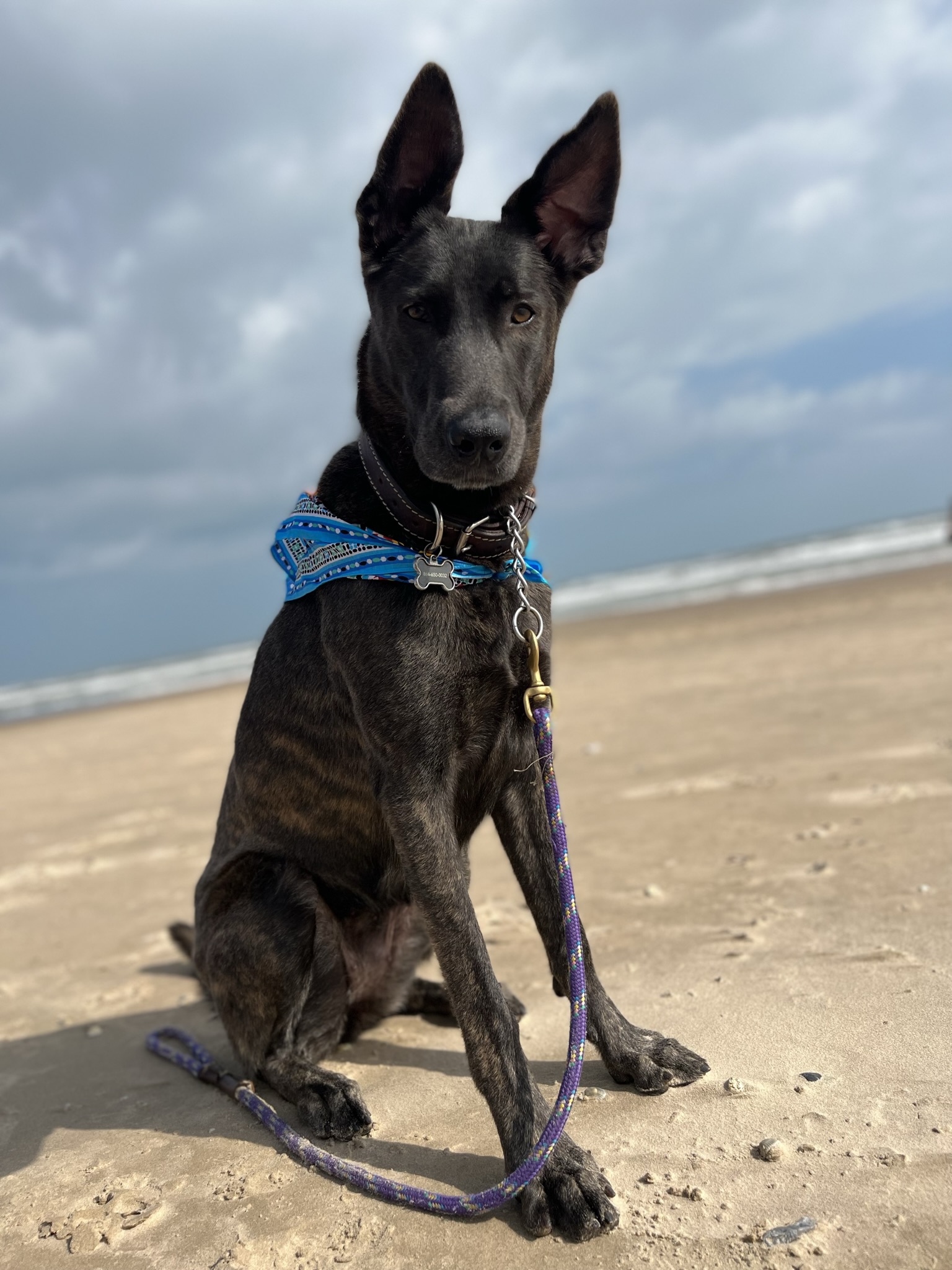
The AKC's official standard for the Dutch Shepherd, effective January 1, 2017, has a section headed Temperament. It opens: "The Dutch Shepherd should reflect the qualities of loyalty and reliability, alertness, and watchfulness. He is active, independent, with persistence, intelligence, prepared to be obedient, and gifted with the true shepherding temperament."
The FCI standard, which lists the Netherlands as the breed's origin, says nearly the same thing under its "BEHAVIOUR/TEMPERAMENT" heading: "Very loyal and reliable, always alert, watchful, active, independent, with persistence, intelligence, prepared to be obedient and gifted with the true shepherding temperament." The AKC standard's first paragraph adds "a lively temperament and an intelligent expression."
Where the standards draw the line
Both standards also say what a Dutch Shepherd should not be. The AKC's says "He should not show fear or shyness nor viciousness by unwarranted or unprovoked attack." The FCI's lists "Aggressive or overly shy" among its disqualifying faults. Neither standard wants an overly shy dog or one that attacks without cause.
Independent, and "prepared to be obedient"
Two phrases in the standards pull in different directions: "independent" and "prepared to be obedient." The next sentence, the same in both standards, shows how they fit together: "The Dutch Shepherd Dog works willingly together with its owner and he deals independently with any task which is assigned to him."
The AKC's breed page puts the same balance in plainer words. It calls the Dutch Shepherd "a lively, athletic, alert and intelligent breed" and adds: "Having an independent nature, it can be slightly obstinate and have a mind of its own." It also rates the breed 5 out of 5 for Trainability Level, on a scale from "Self-Willed" to "Eager to Please."
The AKC's training advice follows from that. It says the breed "does better with shorter training sessions (with little repetitions), and they become more driven as the work becomes more mentally stimulating." And it warns: "Without training, this breed will become very independent and will start to make its own decisions, so obedience training is highly recommended." Our guides to mental exercise and dog sports are good places to start.
With family, strangers and other dogs
The AKC's breed page scores each breed from 1 to 5 on a set of traits, with a label at each end of the scale. Here is how it scores the Dutch Shepherd on the social ones:
- Affectionate With Family: 5 out of 5, on a scale from "Independent" to "Lovey-Dovey."
- Good With Young Children: 3 out of 5, on a scale from "Not Recommended" to "Good With Children."
- Good With Other Dogs: 3 out of 5, on a scale from "Not Recommended" to "Good With Other Dogs."
- Openness To Strangers: 3 out of 5, on a scale from "Reserved" to "Everyone Is My Best Friend."
- Watchdog/Protective Nature: 5 out of 5, on a scale from "What's Mine Is Yours" to "Vigilant."
Put plainly: very affectionate with its own family, watchful, and in the middle of the scale with children, other dogs and strangers. The AKC's note on the children score applies to every breed: "Dogs should always be supervised around young children, or children of any age who have little exposure to dogs." We go deeper on working dogs and kids, other pets, socializing a puppy and alert barking.
Energy, play and the off switch
The same page scores the working side of the breed:
- Energy Level: 5 out of 5, on a scale from "Couch Potato" to "High Energy."
- Mental Stimulation Needs: 5 out of 5, on a scale from "Happy to Lounge" to "Needs a Job or Activity."
- Playfulness Level: 4 out of 5, on a scale from "Only When You Want To Play" to "Non-Stop."
- Adaptability Level: 4 out of 5, on a scale from "Lives For Routine" to "Highly Adaptable."
- Barking Level: 2 out of 5, on a scale from "Only To Alert" to "Very Vocal."
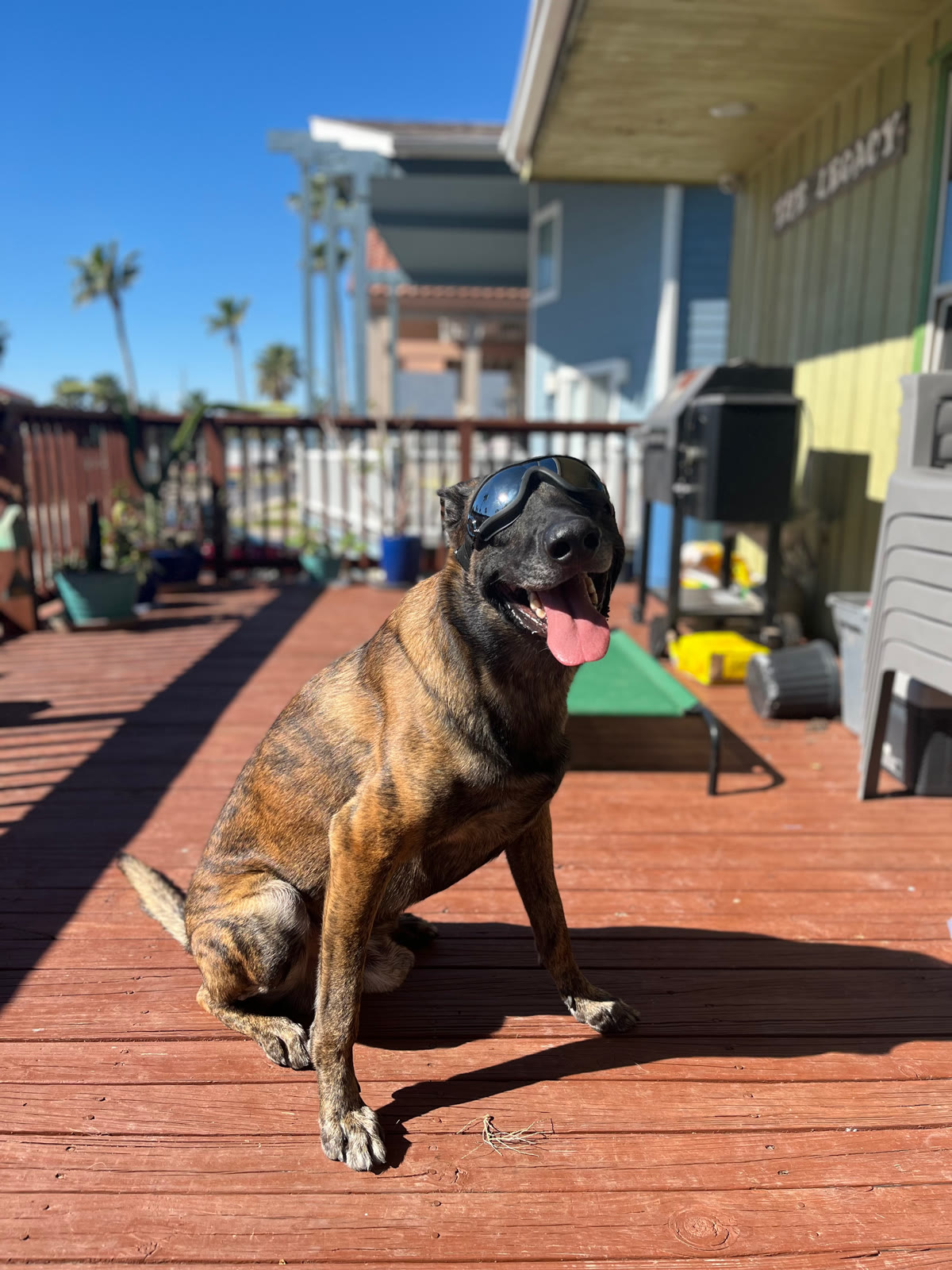
The AKC also says this dog "will differentiate between work, play, and chill time, adjusting its energy level accordingly." It is clear about what that takes: "This breed does not want to be a pet left at home; they want to be your partner in life. Provided with proper mental and physical exercise, this dog makes a great pet for an active family familiar with dogs." Our exercise guide and The Off-Switch cover both halves.
What a standard can't promise
A breed standard describes what the breed should be. It cannot tell you what one puppy will be. A 2022 study in the journal Science surveyed the owners of 18,385 purebred and mixed-breed dogs and genotyped 2,155 dogs. Across the dogs it studied, it found "Breed explains just 9% of behavioral variation in individuals." The same study found "Most behavioral traits are heritable." In plain terms, genes matter, but a breed label on its own tells you little about one dog's behavior.
That is why every puppy in our planned spring 2027 litter will get an individual temperament evaluation at six to seven weeks, and we will share the evaluations with every family. Whatever breeder you talk to, ask how and when they evaluate each puppy's temperament.
Still deciding on the breed? Start with our ten honest questions.
Sources
- American Kennel Club: Dutch Shepherd breed page (temperament words, About the Breed, trait scores, training and exercise sections)
- American Kennel Club: Official Standard for the Dutch Shepherd (PDF; approved January 11, 2016, effective January 1, 2017; general appearance, temperament)
- FCI-Standard N° 223: Hollandse Herdershond (Dutch Shepherd Dog) (PDF; behaviour/temperament, disqualifying faults)
- Morrill and colleagues: Ancestry-inclusive dog genomics challenges popular breed stereotypes (Science, April 29, 2022; PubMed abstract; owners of 18,385 dogs surveyed, 2,155 genotyped)