The AKC's breed page puts the Dutch Shepherd at the top of its energy level scale and says the breed "has been bred for hard work, and plenty of it." But how much exercise a dog needs also depends on its age, and a growing puppy needs a very different plan than an adult. Here is what the AKC says about both, and why you should wait before you start running together.
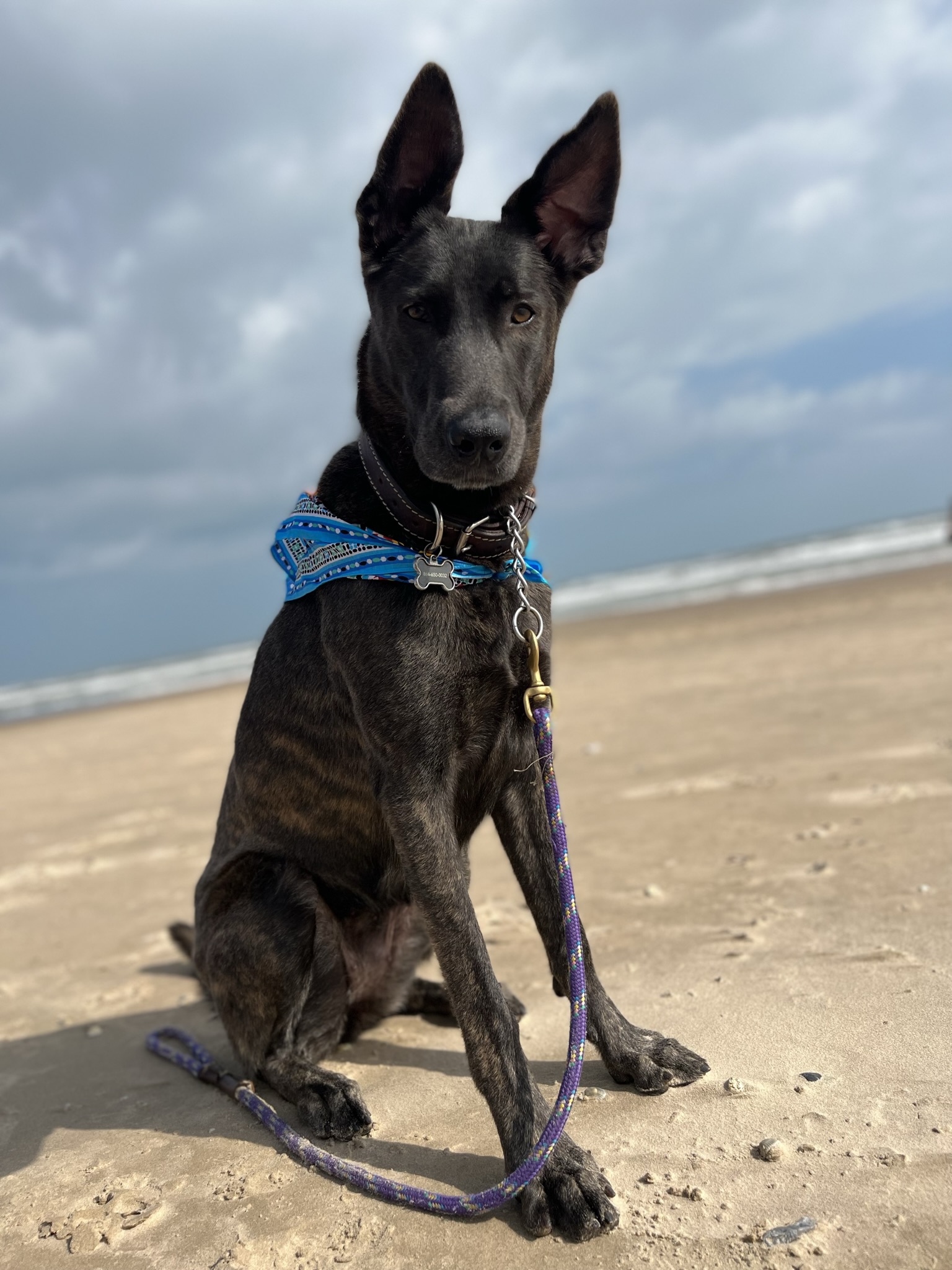
What the breed was built for
The AKC describes an all-purpose farm dog that went on to excel as a police and military dog. It says the breed is "driven to do its chosen work" and "will differentiate between work, play, and chill time, adjusting its energy level accordingly." That calm side gets its own article.
The breed page is also blunt about the rest: "This breed does not want to be a pet left at home; they want to be your partner in life." With proper mental and physical exercise, the AKC says, the Dutch Shepherd "makes a great pet for an active family familiar with dogs."
Adults: how much is enough?
The AKC's exercise guide does not give adult dogs a set number of minutes. It says needs vary by breed, health and energy level, and that some dogs may be satisfied with daily walks, "while high-energy breeds often require significantly more physical activity and mental stimulation." It is just as clear on the other side of that: "It is not a good idea to buy an active dog breed unless you already lead an active lifestyle."
A walk around the block is a great start, the AKC says, and it might be enough for breeds with lower exercise needs. For a Dutch Shepherd, think of it as the warm-up. Ideas from the AKC's list:
- Hiking on new parks and trails
- Fetch with a twist: send them uphill after the ball, or toss a floating toy into the water
- Swimming, which the AKC calls low-impact exercise
- Biking together on bike paths, not roads. The AKC notes it is not right for every dog
- Obedience work: recall, retrieving and new tricks count as exercise too
- Dog sports, covered in our beginner's guide
Physical exercise is only half of it. The AKC says mental stimulation "is not a replacement for physical exercise, but it is an important complement." For six games to start with, see Brain Work.
Puppies: short and often
A puppy is a different story. Puppies generally have more energy than adult dogs, the AKC says, and need more exercise in short bursts. Because they are still growing, several short walks or play sessions a day are a safer choice than one really long walk, which "can be too hard on your puppy's developing body."
How long a walk? The AKC's puppy exercise guide cites veterinary researchers who recommend walks of about five minutes for every month of age, once or twice a day, depending on pace. By that rule, a 4-month-old puppy walks for about 20 minutes. The same guide suggests:
- Start on grass or packed sand, and skip sidewalks until your puppy's paws are used to concrete
- Walk at least an hour after a meal
- Watch for fatigue, like sitting down or struggling to keep up
Free play beats a forced march
On a leash, a puppy does not have the option to stop. That is why the AKC's guide says "the best exercise for puppies is safely free running." In a fenced yard, with you watching, a puppy picks its own speed and rests when it is tired. No fence? Use a long line of around 15 feet in a safe space, and keep it slack.
Trainer Laurie C. Williams, quoted in the same guide, suggests tug, hide-and-seek, a flirt pole, tag, and a "sniffari": tossing pieces of kibble in the yard for your puppy to find.
Wait on running and jumping
This is the part that matters most for a breed that loves to run. A puppy's long bones grow from growth plates, which the AKC's Chief Veterinarian, Dr. Jerry Klein, describes as "somewhat flexible and soft during puppyhood." He warns: "It is imperative to know that excessive, prolonged activity, like jogging, can be extremely detrimental on the bones and joints of growing puppies."
When can you start? The AKC's guides give slightly different ages:
- The puppy exercise guide says to hold off on jogging or running on a leash until about 12 months for medium breeds and 12 to 18 months for large breeds
- Dr. Klein says road work or jogging is never recommended for a dog less than 14 to 18 months old, especially large and giant breeds, until the growth plates have fully fused
The Dutch Shepherd's adult weight, 42 to 75 pounds per the AKC, spans the medium and large sizes on the AKC's growth chart. So go by the later number, and ask your vet before you start running together or training for sports with running and jumping.
Until then, the AKC suggests skipping:
- Jogging on a leash, and constant running on hard surfaces like sidewalks or blacktop
- Repeated jumping, like tossing a ball straight up into the air or dock diving, which the AKC says can injure a puppy's back
What works instead? The AKC's growth guide says short walks on softer surfaces, such as grass, are generally safer while your puppy is still developing.
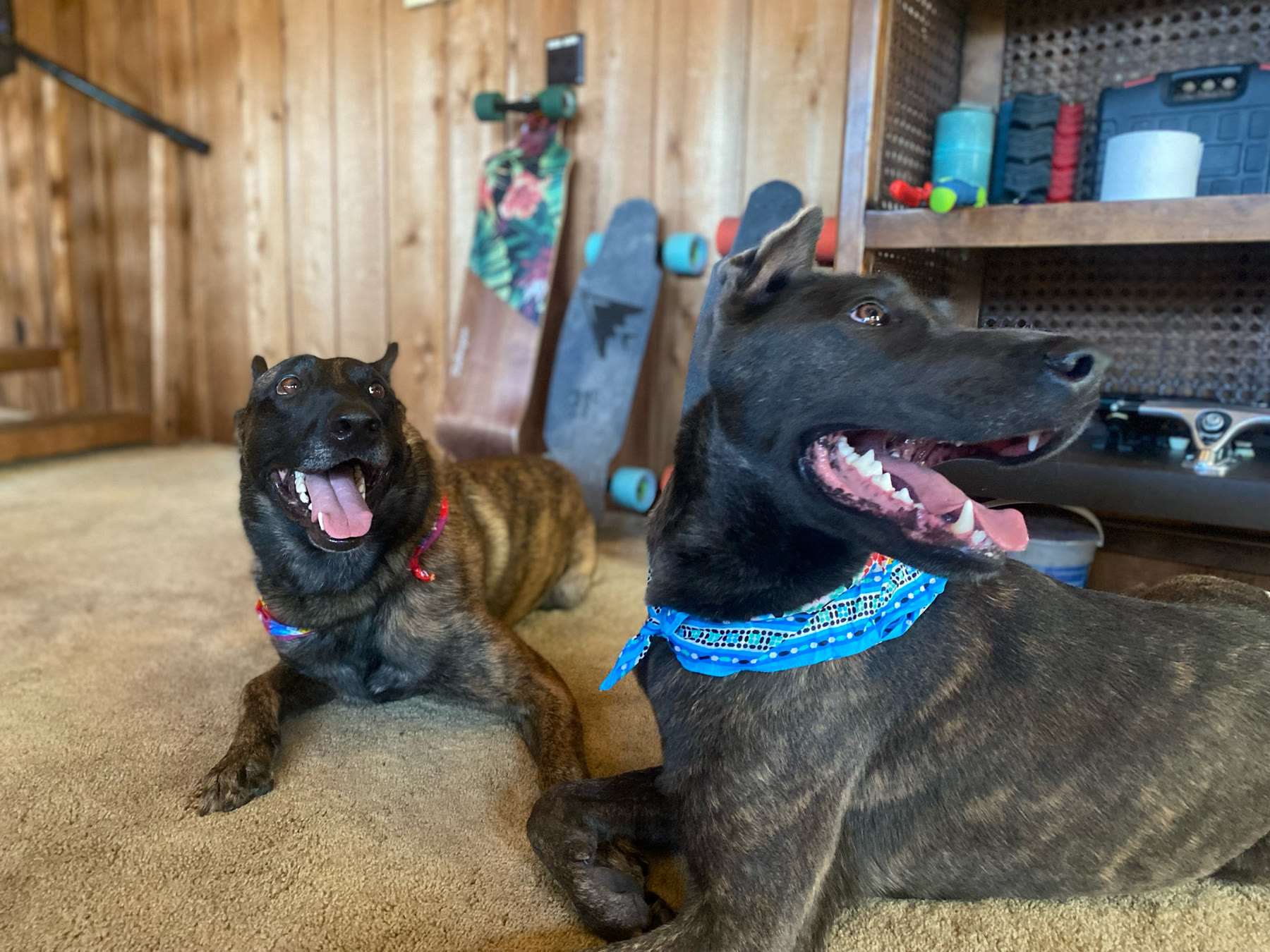
Ask your vet or breeder
Every puppy is different. The AKC's advice is to talk to your vet or breeder about how much daily activity is right for yours, and it adds that exercise is a great way to train and socialize a new dog.
Planning the first year? Read our guide to the socialization window and the house-training schedule.
Sources
- American Kennel Club: Dutch Shepherd breed page (energy level, exercise section, weight range)
- American Kennel Club: How Much Exercise Does a Dog Need Every Day? (puppies in short bursts, adult needs by breed, active breeds, exercise ideas, mental stimulation, talk to your vet or breeder)
- American Kennel Club: How Much Exercise Does a Puppy Need? Mental and Physical Exercises (five minutes per month of age, surfaces, timing after meals, fatigue, free running, long line, jogging ages by size, hard surfaces, repeated jumping, Laurie C. Williams on games)
- American Kennel Club: Puppy Growth Chart: When Does My Puppy Finish Growing? (growth chart sizes, Dr. Klein on growth plates and jogging, softer surfaces)