House-training does not wait for a free weekend. The AKC says it should begin the day your puppy comes home, and that it rests on four things: consistency, supervision, a predictable schedule and positive reinforcement. Here is the crate, the schedule, the signals and the cue, plus what to do about accidents, all drawn from the AKC's guides.
Start on day one
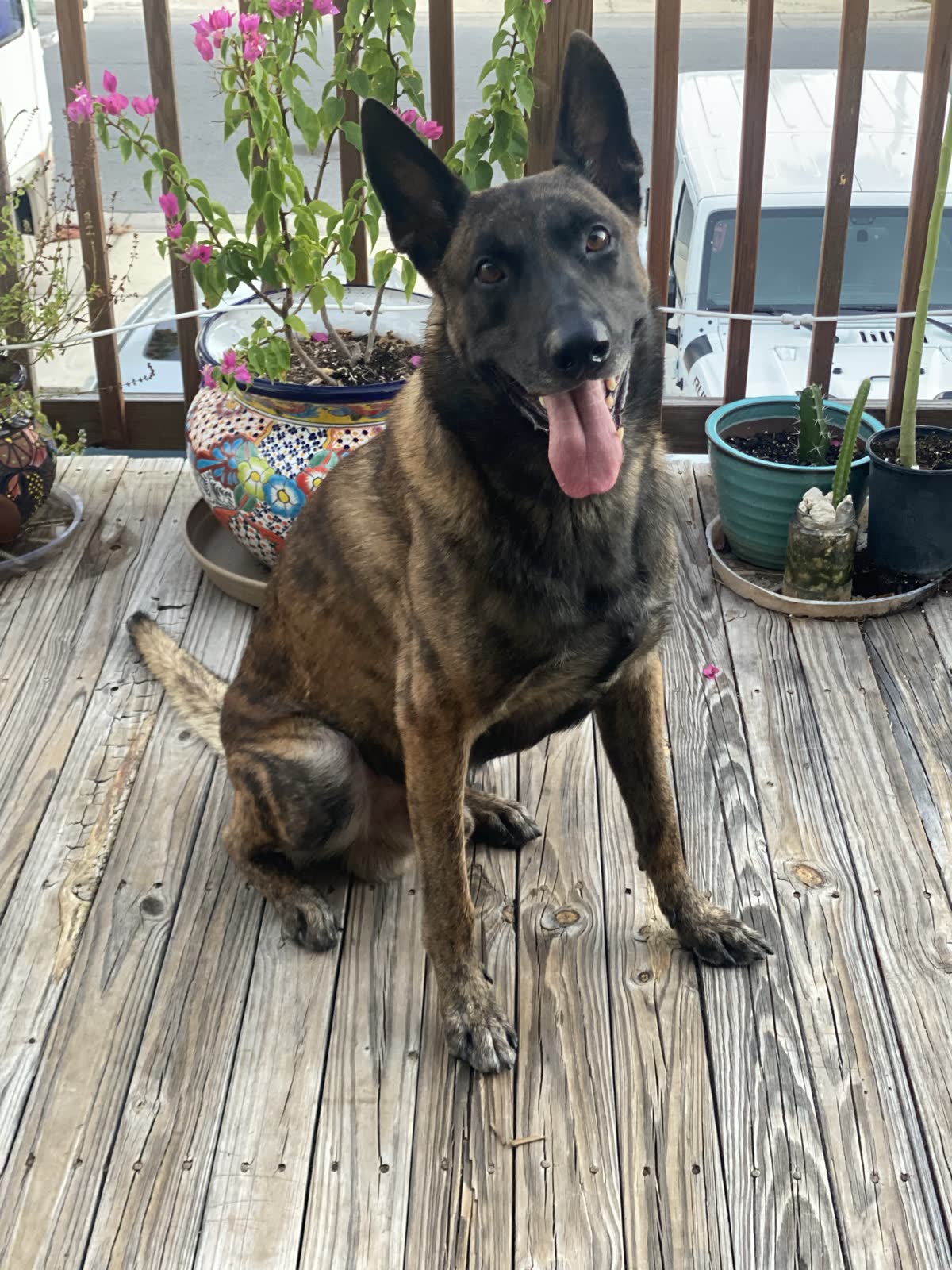
Most puppies arrive at their new homes at around 8 weeks old, the AKC notes, which is also when their bladder control is at its weakest. Our puppies are planned to go home at 8 to 12 weeks, so expect a lot of trips outside at first. Bladder control improves as the puppy grows.
There is a practical reason to start early with this breed, too. The AKC puts the adult Dutch Shepherd at 42 to 75 pounds. While your puppy is still small, the AKC's timeline guide points out, you can carry it straight from the crate to the door so it does not stop on the way.
The crate is your best tool
The AKC calls crates among the most effective house-training tools. The principle is simple: dogs generally prefer not to soil their sleeping area. Size matters. The crate should let your puppy stand, turn around and lie down comfortably, but it should not be so big that the puppy can go in one corner and rest in another. Many crates come with a partition you can move as your puppy grows. The crate also does double duty as the first lesson in calm, as covered in the off-switch.
What about puppy pads? The AKC's Dr. Mary Burch, who directs its Canine Good Citizen and S.T.A.R. Puppy programs, calls them tricky: "You're reinforcing two different options for the puppy." In an ideal situation, the AKC says, puppies learn to hold it indoors and only go outdoors.
The schedule
The AKC says very young puppies should typically go out:
- First thing in the morning, before you make coffee or check email
- After meals, within 5 to 30 minutes, and sooner the younger the puppy
- After drinking water
- After naps and after time in the crate
- After chewing a toy or bone
- After indoor play
- Last thing at night
Depending on age, that can mean a dozen trips or more a day. Feed meals at the same times each day, and the AKC adds that avoiding food within 2 hours of bedtime will help. Use the same door and the same spot every time, and keep your puppy on a leash outside while training, even in a fenced yard, so you can see what happens.
How long can a puppy hold it?
The AKC's guides offer two rules of thumb. One says a puppy can generally hold it about as many hours as its age in months, up to about 9 months to a year: a 6-month-old, around six hours. The other is the "month-plus-one" rule: a 3-month-old puppy, about 4 hours. Treat both as maximums, not targets, and when they disagree, go by the shorter one. The AKC is clear that individual puppies vary, and some need to go out more often.
Read the signals
Watch for sniffing the ground, circling, suddenly stopping play, whining or scratching at the door, or restlessness. The AKC's timeline guide adds wandering away from the family, zoomies, whimpering and running to the door. If you see one, go out now.
Teach a cue and celebrate
Pick a simple phrase like "go potty" and say it calmly as your puppy starts to go in the right spot. The moment it finishes, reward it with praise and a treat. Over time, the AKC says, your puppy links the cue to the act. Its guide does not hold back on the praise: "Let them know that no other accomplishment, ever, has been as important as this pee." Then play for a few minutes before heading back inside.
When accidents happen
- Don't punish. The AKC says punishing accidents is less effective than rewarding the right behavior and preventing mistakes. Dr. Burch advises against making a fuss.
- If you catch it in the act, calmly pick your puppy up, take it outside, and reward it generously if it finishes there.
- Clean thoroughly with an enzymatic pet cleaner. Lingering odor draws puppies back to the same spot.
- Grant freedom slowly. The AKC says accidents often start when owners expand access to the house too quickly.
Nights
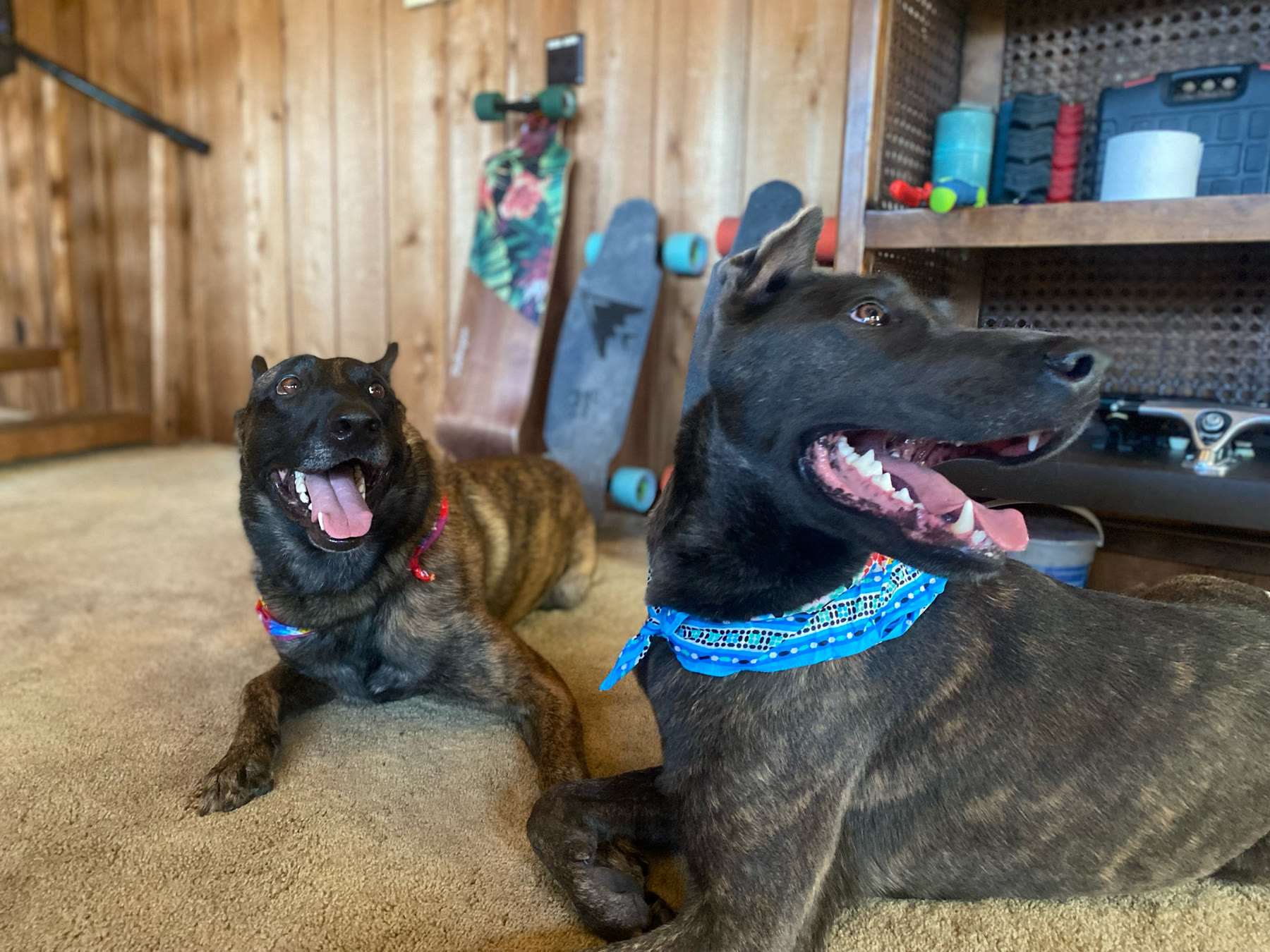
Make the last thing before bed a potty break. The AKC suggests keeping the crate in or near your bedroom, so you can hear a whimper if your puppy needs to go out during the night.
How long it takes
It varies from puppy to puppy. The AKC's Chief Veterinarian, Dr. Jerry Klein, says: "If training begins early, a 6-month-old puppy is usually able to be depended on most of the time to eliminate outside." If you are not making progress, he says to have your puppy checked by a veterinarian, since a urinary tract infection or another health issue can cause the delay. If your vet rules that out, the AKC suggests an experienced trainer or behaviorist.
Planning the first few months? Read our guide to the socialization window and our loose-leash plan.
Sources
- American Kennel Club: How to Potty Train a Puppy (when to start, the four foundations, crates, puppy pads, the schedule, hours by age, signals, the cue, praise, accidents, freedom, persistent problems)
- American Kennel Club: Puppy Potty Training Timeline and Tips (morning routine, meals and timing, leash in the yard, signals, play after, the month-plus-one rule, bedtime, carrying small puppies, Dr. Klein on the timeline)
- American Kennel Club: Dutch Shepherd breed page (weight range)