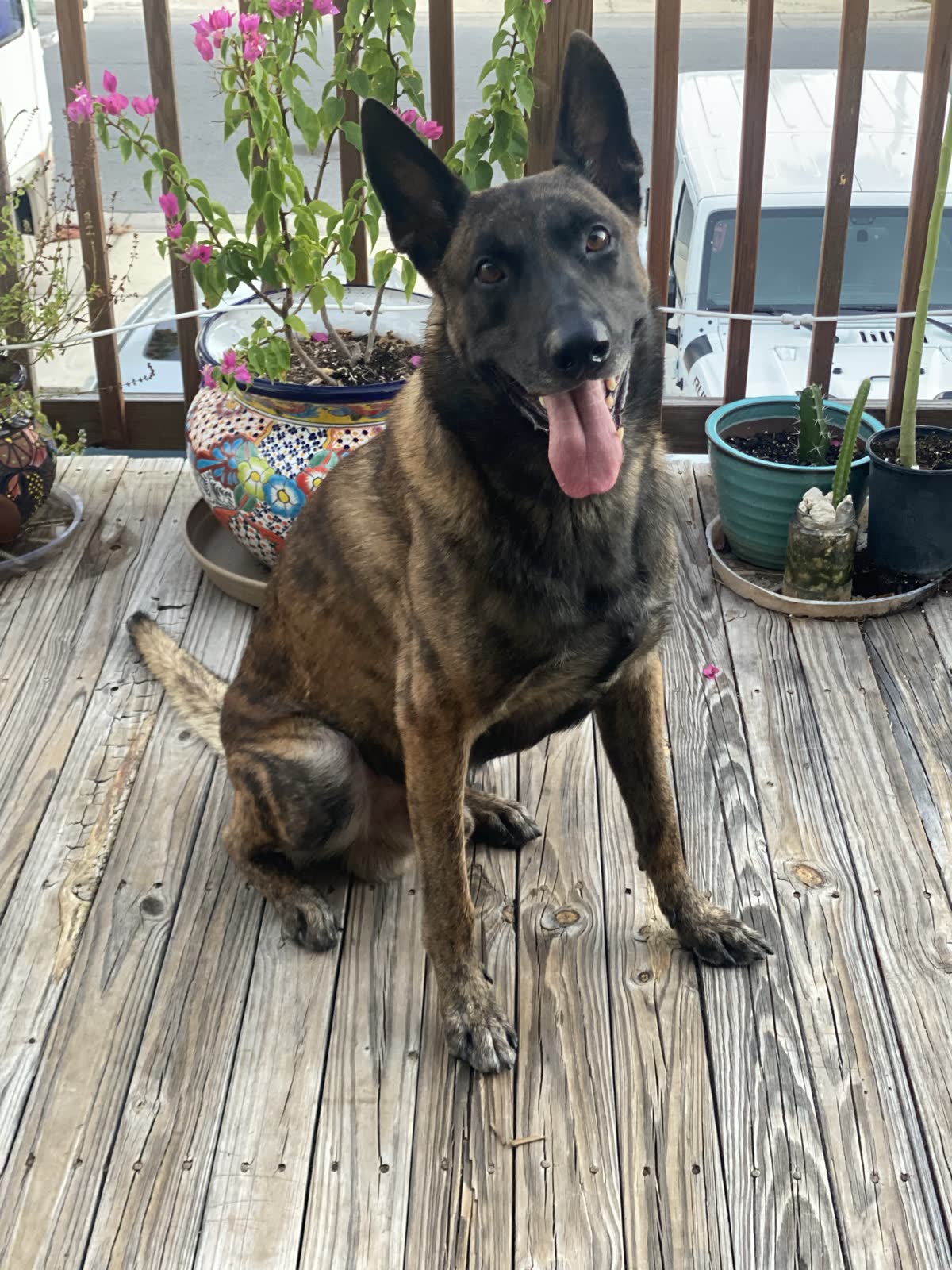
The AKC calls jumping up "a natural canine behavior. Dogs get to say hello face-to-face when they jump. Even better, it's guaranteed to get attention." Humane World for Animals says the habit often starts early: "a fuzzy puppy is just too cute to resist. We forget that cute behavior in a puppy can become a real nuisance when they grow up." The AKC's breed page describes the Dutch Shepherd as "a lively, athletic, alert and intelligent breed" and gives it a 5 out of 5 for energy. Here is why dogs jump, the two greeting rules the AKC teaches, and how to handle the front door, guests and the sidewalk.
Why dogs jump
"Dogs often jump because they're excited and want attention," the AKC says, and jumping "can become a habit that's unintentionally reinforced when people talk to, touch, or otherwise acknowledge them." Another AKC guide puts it simply: "Dogs repeat behaviors that earn them rewards. And few things are more rewarding to your pet than your attention." Humane World is blunter: "Like it or not, we humans are to blame. We not only permit this behavior, we encourage it."
It is more than muddy paws. The AKC warns that people, "especially seniors and children, can be knocked over," and Humane World says "a child or frail adult can be knocked down and seriously injured." Keep one more AKC line in mind while you train: "your dog is usually attempting to greet you, not misbehave deliberately."
Tell them what to do instead
The AKC's core advice is to teach a behavior that can't happen at the same time as jumping. "Your dog will learn faster if you tell them what to do rather than just what not to do." Pick one greeting rule:
- Four on the floor. All four paws stay on the ground. A dog can't jump and stand on four paws at the same time (AKC)
- Sit, or lie down. As Humane World puts it, "They can't sit and jump up at the same time." The AKC adds that "sit" for greetings "is an easier rule than 'don't jump'"
Whatever you choose, only greet your dog when it's following the rule. Ignoring the jumping helps, but the AKC says ignoring alone falls short: "every person you encounter in your home or on the street isn't going to know those rules," and learning by trial and error "can be frustrating for some dogs."
Teaching "four on the floor"
The AKC's method rewards your dog before it has a chance to leave the ground. You need a helper.
- Set it up. Your dog is on leash. Your helper walks toward your dog
- Treats first. Before the helper reaches your dog, toss several treats on the floor
- Greet while it eats. While your dog eats off the floor, the helper pets and greets it, then backs away before your dog finishes eating
- Stretch it. After several rounds, make the greeting longer, tossing treats the whole time
- Greet first. Once your dog can keep all four feet on the ground, the greeting starts before the first treat lands
- Fade the food. Use fewer and fewer treats until the greeting is the only reward
"The trick to this technique is being fast with the treats," the AKC says. If you're late and your dog jumps, the helper turns and walks away as you stop feeding. Your dog learns that four paws on the floor bring attention and treats, and jumping brings nothing.
Teaching a sit for greetings
The AKC's version starts with you as the greeter:
- Tether the leash to a doorknob or a piece of furniture
- Ask for a sit from several feet away. When your dog sits, calmly walk up. If it stands, turn, walk back to your starting point and ask again
- Greet only while it sits. Quietly praise and pet. The moment your dog stands up, turn and walk away
- Raise the excitement. As your dog catches on, make your approaches more and more exciting
- Add people. Once your dog has it with you, start over with friends and family
Humane World runs a similar drill with a helper, and adds a rule worth keeping: the helper should be someone your dog likes and wants to greet. "Your dog should never be forced to greet someone who scares them." When your dog stays seated as the greeter approaches, the greeter can give it a treat.
The sit has to be solid first. "There's no point in teaching sit for greetings if your dog is still struggling to sit without distractions," the AKC says. "Sitting should be your dog's way of saying 'please.'" Ask for a sit before going outside, before dinner and so on. The AKC's breed page also notes that the Dutch Shepherd "does better with shorter training sessions (with little repetitions)," so keep greeting practice in short sessions.
At the front door
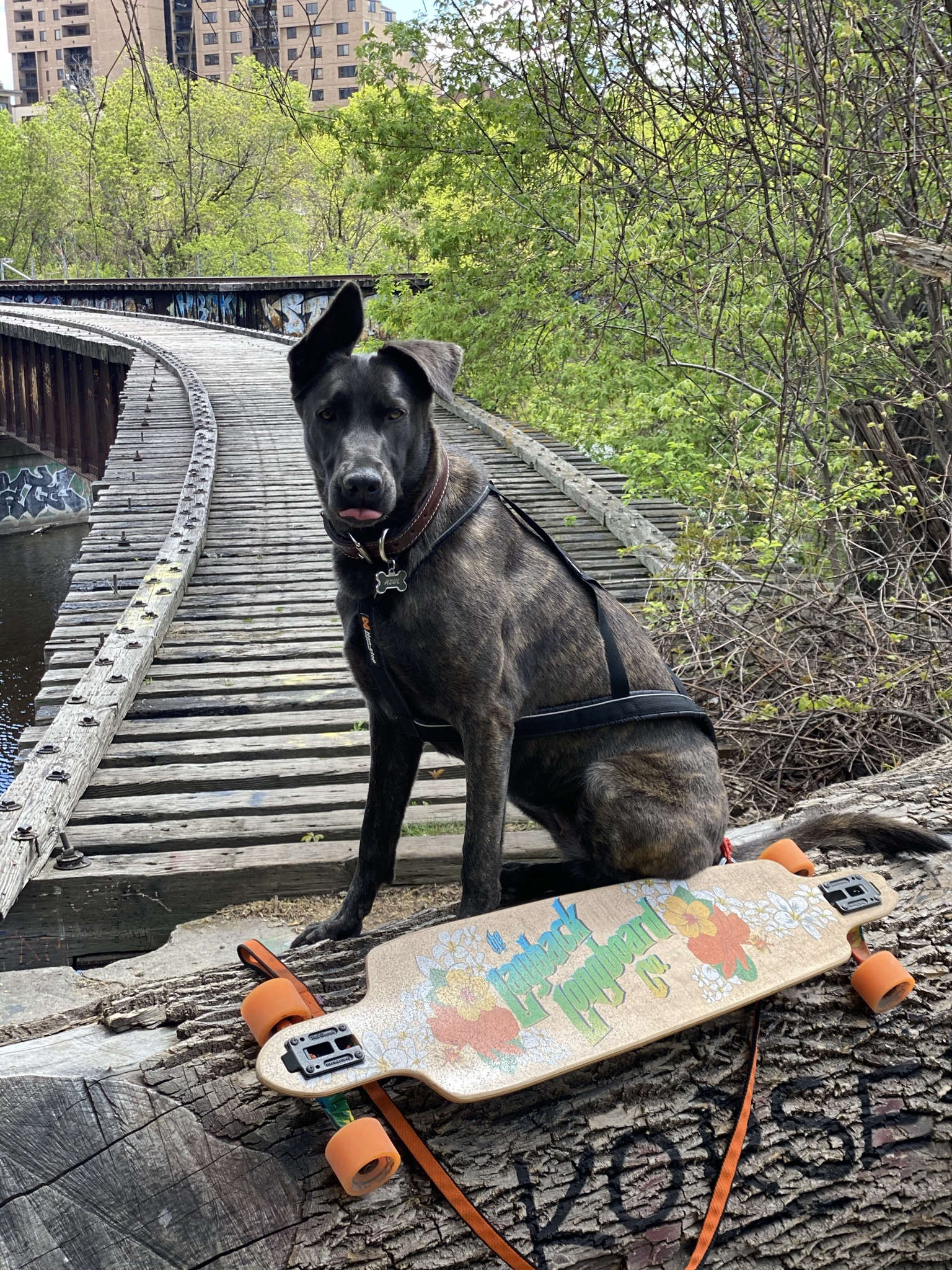
- Greet right away. "Don't delay your greeting while removing your coat or putting down your belongings" (AKC). Reward the right behavior the moment it happens
- Reward late good choices too. "Even if your dog spent several minutes jumping before finally settling down, respond positively the moment they comply with the greeting rule" (AKC)
- Keep it quiet. "Excitement makes self-control more difficult," the AKC says, and if you get animated, your dog is more likely to get excited too. Humane World says to keep greetings "quiet and low-key." As your dog improves, the AKC says you can slowly go back to bigger hellos
- Treats on the floor. Scatter a few before your dog can jump. "Since dogs can't jump and search the floor at the same time," you get a moment to reward what you want (AKC)
- Walk back out. If your dog jumps when you come in, Humane World says to turn and go back out the door, then try again. "You may have to come in and go out dozens of times"
- If you're sitting down, Humane World says to stand up, without talking to your dog or pushing it away, and wait until all four feet are on the ground
Mistakes that keep jumping going
- Pushing, grabbing paws, yelling. "Even negative interactions can still feel rewarding because your dog receives attention" (AKC). Another AKC guide adds: "For many dogs, pushing them away is simply part of a wrestling game"
- The knee. The AKC says that while putting your knee up is sometimes recommended, some dogs take it as attention or play. "It can also damage trust and unnecessarily strain the relationship between you and your dog. In some cases, it may even cause injury"
- Sometimes yes, sometimes no. "Don't let your dog jump on you when you're in jeans but not when you're in a suit" (AKC). Humane World: "You can't let your dog jump on people in some circumstances, but not others"
- One person who allows it. "Everyone in your family must follow the training program all the time" (Humane World)
Guests and strangers
Until your dog knows the rule, don't let it practice jumping on visitors. The AKC and Humane World both suggest managing the door:
- A leash, a dog gate or a crate when guests arrive (AKC). Humane World adds another room, or a leash and a sit while the guest comes in, with a reward for good behavior
- A place to go. If your dog has a strong "go to your place" cue, send it to its mat or crate when the doorbell rings (AKC). Our Off Switch guide covers teaching a settle
- Treats and toys by the door. Toss a reward away from the doorway while your visitor comes in, or let your guest reward a polite greeting (AKC)
- Brief your guests. Tell them exactly how to greet your dog, and ask them to ignore it unless it's following the rule (AKC)
Walks are harder, because strangers don't know your rules. The AKC suggests skipping greetings with strangers until your dog has them down with friends and family. Get your dog's attention with a "watch me" cue or a squeaky toy, and let people walk past. When you're ready, Humane World's routine is to stop the person, explain you don't want your dog to jump, ask your dog to sit, and let them pet and treat your dog only while it stays seated. Some people will say they don't mind. "But you should mind," Humane World says, and you "can simply say no thank you."
Your Dutch Shepherd doesn't need to greet every stranger at all. The AKC's breed page puts the breed in the middle of its Openness to Strangers scale, and Humane World says a dog should never be forced to greet someone who scares it. A dog that watches you while a stranger walks by is doing just fine. Our socialization guide covers building calm around new people.
The question to ask before you apply
The AKC and Humane World both come back to consistency. The AKC's breed page adds that "without training, this breed will become very independent and will start to make its own decisions, so obedience training is highly recommended." A greeting rule only works if every person in the house enforces it, every time. It's why our application asks for your training plan, and whether all the adults in your home agree to a high-drive breed.
More manners for the first year: loose-leash walking, coming when called and puppy biting.
Sources
- American Kennel Club: Dutch Shepherd breed page ("a lively, athletic, alert and intelligent breed", Energy Level 5 of 5, Openness to Strangers, shorter training sessions, obedience training highly recommended)
- American Kennel Club: How to Stop Your Dog From Jumping on People (Stephanie Gibeault, updated Sep 14, 2026; why dogs jump, a greeting rule, timing, removing attention, treats on the floor, the knee, calm greetings, guests and strangers)
- American Kennel Club: How to Stop Your Dog From Jumping Up on People (Stephanie Gibeault, updated Nov 10, 2025; seniors and children, "four on the floor" and sit-for-greetings steps, managing the door, greetings on walks)
- Humane World for Animals: How to stop your dog from jumping up (puppies, safety, management, consistency, the helper drill, greetings on walks, at the door and when you're sitting)